Sustainable Arts Practice in 2026: Top Tips for a Thriving Creative Career
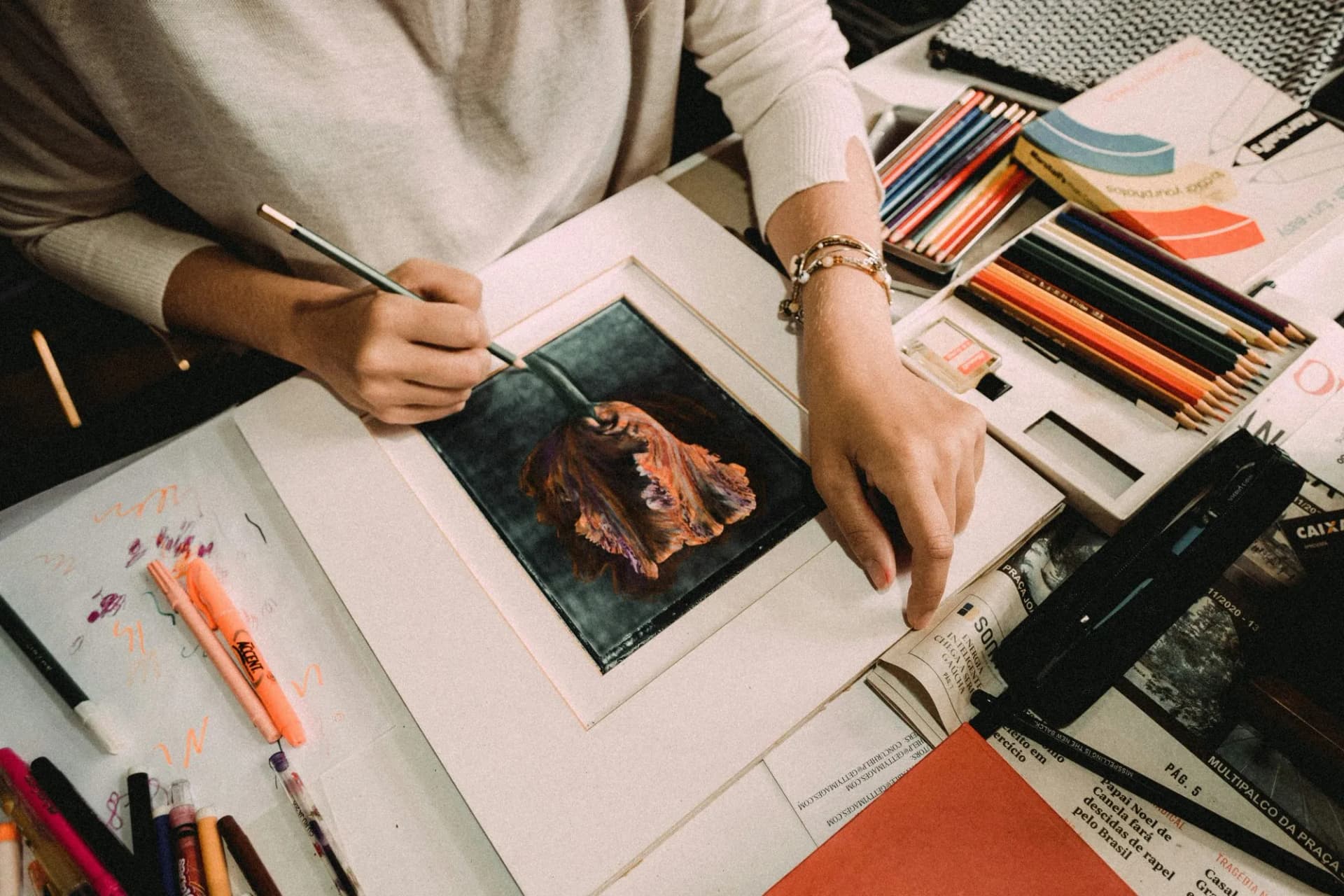
Building a sustainable creative practice doesn't mean doing everything all at once. Whether you're a musician, writer, painter, or multi-disciplinary artist, intentionality, dedication, and resilience are key to transforming your creative passion into a thriving practice. But laying the foundation is one thing; building a life around it is another.
Financial Viability
A financially viable arts practice protects your ability to dedicate time to your craft. Your level of creative fulfilment is the true measure of success, not the amount of money you make. However, you still need to cover basic needs. Income spikes and quiet stretches are normal, so don't be discouraged by unpredictable income. A day job that frees you to follow your muse is a gift.
Don't underprice your art. Consider your time, overheads, materials, and a reasonable profit margin. Resources like the National Association for the Visual Arts offer guidance on pricing, and the Australian Society of Authors provides rates for writers and illustrators. Common income sources include royalties, festival appearances, commissions, workshops, exhibitions, and grant funding. Working for exposure is not sustainable; protect your time and energy.
Selling the Work – and Your Skills
Developing multiple income streams is easier than ever. Digital connectivity reduces gatekeeping and increases accessibility. Sell via your own website, online art platforms, book publishing services, or music distribution channels. Consider licensing your work for commercial use or using print-on-demand services for merchandise.
For non-digital work, expand your distribution network through pop-up shops, market stalls, or specialty stores. Many artists also earn by selling skills: consultancy, speaking engagements, teaching, or content creation. Freelance work offers flexibility but may mean irregular income.
The Business of It All
You can succeed without an agent or accountant if you're willing to learn administration, contracts, marketing, and sales. An agent can help with opportunities and negotiations, while an accountant saves time at tax time. But you can learn to do it yourself.
Ensure you have a sole trader ABN, dedicated bank account, financial buffer, appropriate business structure, and separate savings for tax and super. Streamline admin by tracking income and expenses as you go, using an accounting app. Your business supports your art, so nurture it.
Slow, Steady, Sustainable
Deconstruct the concept of sustainable practice by approaching it one aspect at a time. Don't try to do everything at once. Chip away at small tasks gradually, starting with what inspires you. Dedication and resilience are key. An intentionally sustainable foundation empowers you to build a creatively fulfilling life in whatever shape suits you best.
- #sustainableartspractice
- #creativecareer
- #financialviability
- #multipleincomestreams
- #artisttips
Comments · 0