Unlock Your Career Path: Expert Advice from Decades of Student Advising
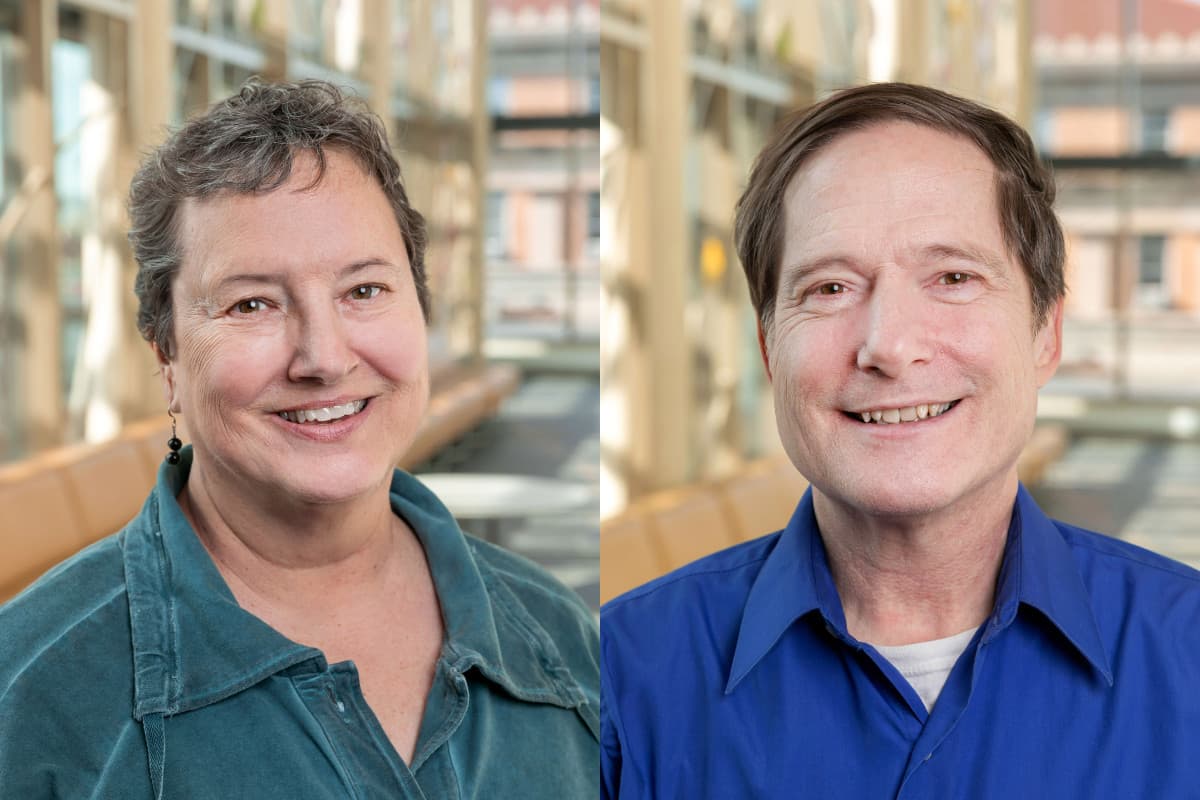
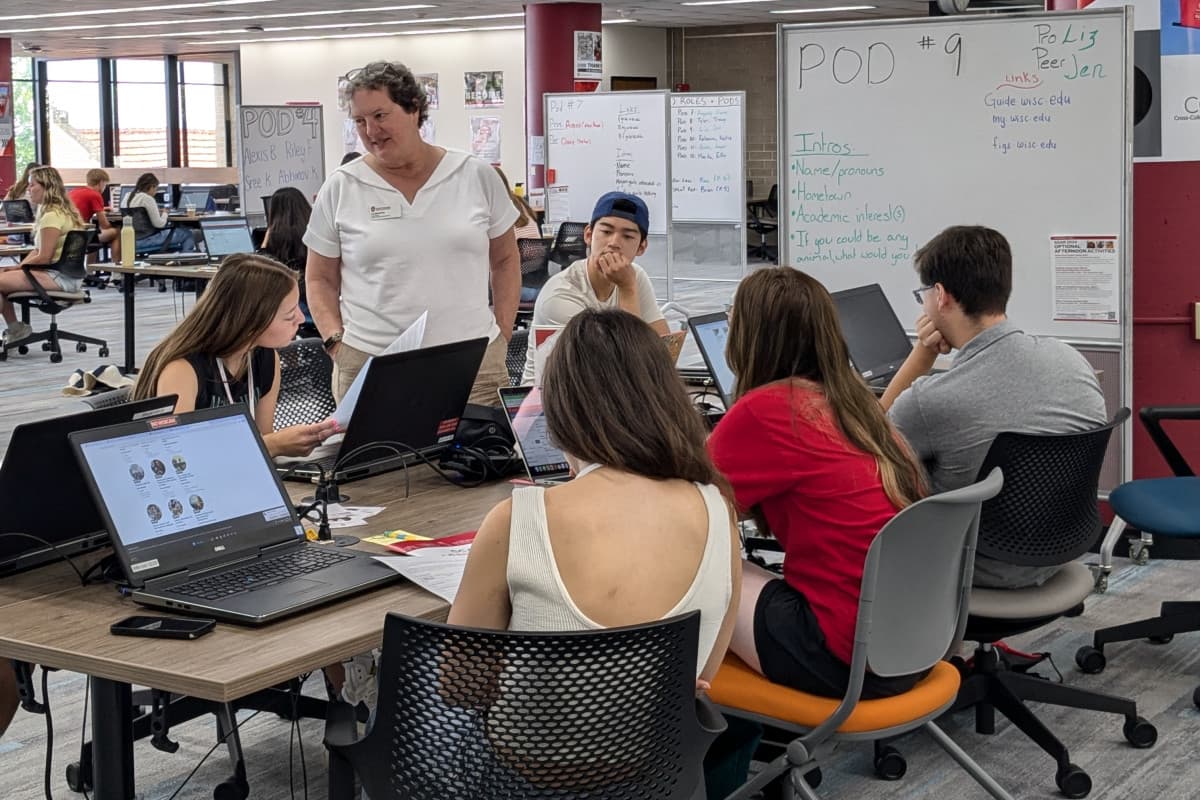
Liz McCarthy and Charles Schleicher, with over 50 years of combined experience at the University of Wisconsin–Madison's Cross-College Advising Service, have guided countless students through major changes, tough semesters, and life-altering decisions. As they retire, they share invaluable wisdom to help students navigate their academic and career journeys.
Top Tip for Students Undecided About Their Major or Career Path
Charles Schleicher emphasizes: "My top tip for students is to try to get to know themselves better, specifically about two things: what are your greatest strengths and what are your greatest interests? If you can identify your strengths and interests, you can best triangulate the major at which you will be most successful. And this intern will inform your process for discerning the best career path for you as well."
How Can Students Discover Their Passions?
Liz McCarthy advises: "You can start exploring interests by taking one or two classes each semester in a subject you want to learn more about. Use the Guide to research majors and classes and meet with your advisor to talk more about discovering your interests."
Schleicher adds: "Some students begin with figuring out their major and then go from there to figure out their career. However, some students have a more successful time beginning with exploring career options, and then once they figure out their career goals, then they are better equipped to use their career goals as a tool for mapping out an academic path."
How Can Students Make the Most of Their Advising Appointments?
McCarthy suggests: "I always appreciated when a student came with a list of questions and had done some research using the Guide beforehand. Also, students should plan to take some notes during the conversation; a lot of information is shared during an appointment."
Schleicher recommends: "Reflect on your goals, reflect on what makes you happy and what you would rather spend your time doing. I sometimes have asked students, if they were independently wealthy and did not need to be here, what would you study anyway, just because it’s that cool?"
What’s One Mistake Students Commonly Make, and How Can They Avoid It?
McCarthy points out: "Incoming students often don’t believe the advice to put in 2 hours of work (per week) for every credit they sign up for and midway through the semester realize their mistake."
Schleicher notes: "I think a mistake students commonly make is to think that somehow, the magic of UW–Madison will just make it all happen for them. There are phenomenal resources at this university, but they require that you plug your own soul into them."

What Are the Most Common Challenges You’ve Seen Students Face, and What Advice Would You Give to Overcome Them?
McCarthy explains: "One challenge that comes to mind is when a student is doing poorly in a class and doesn’t connect soon enough with the resources available to them such as tutoring, meeting with their professor or TA, or meeting with their advisor to help them be successful. Once a student starts falling behind, reach out. Don’t wait until the last minute to try and turn things around."
What’s One Piece of Wisdom You’d Want Every Student to Carry With Them After Meeting With an Advisor?
Schleicher shares: "Cultivate the love of learning. Learning is not just a means to an end. It’s not just the way of getting a degree or a career. It’s what we do. Few earthly experiences will bring more satisfaction and excitement and life to your time on earth than learning new things – from courses, books, media, travel, and meeting new people."
Can You Share a Favorite Memory or Success Story of a Student You Advised?
McCarthy recalls: "I remember walking down Charter Street and hearing my name called. I stopped and a student ran up to me saying 'you probably don’t remember me, but you advised me at SOAR and during my first year. You encouraged me to take Com Dis 110 because I was interested in working with children and language challenges. I just finished my Masters in Speech Therapy and have a job lined up working with children with language disorders. I wanted to tell you thank you and what you do matters.'"
Schleicher tells: "One is of a student who, like many I’ve seen, wanted to major in 'languages'. No language in particular, just 'languages.' I asked about which language(s) she found most interesting and just majored in that. She said, 'No, if you major in French or Spanish or something, you have to take classes in literature and history and culture, I’m not interested in any of that. I just love seeing how different languages work.' I said, 'Have you ever heard of linguistics?' She said, 'What’s linguistics?' I recommended Linguistics 101; she took it and fell completely in love. Today she is an accomplished linguistics professor doing research in the Himalayas in Nepal."
What’s Next?
McCarthy says: "Right now, I’m enjoying connecting and reconnecting with family and friends, practicing creativity, volunteering and serving in my faith community, and planning some trips with family and friends."
Schleicher adds: "I want to travel with my wife. I’m still in touch with my host family in Paraguay from my graduate study in the ’80s. I’d like to visit them. I also have some books I want to write. Also, I love biking and want to take the Badger State Trail all the way to Freeport, Illinois."
- #careeradvice
- #studentguidance
- #majorselection
- #academicsuccess
- #personalgrowth
Comments · 0