Unlock Your Dream Remote Job: Insider Secrets from Successful Digital Nomads
The Rise of Remote Work
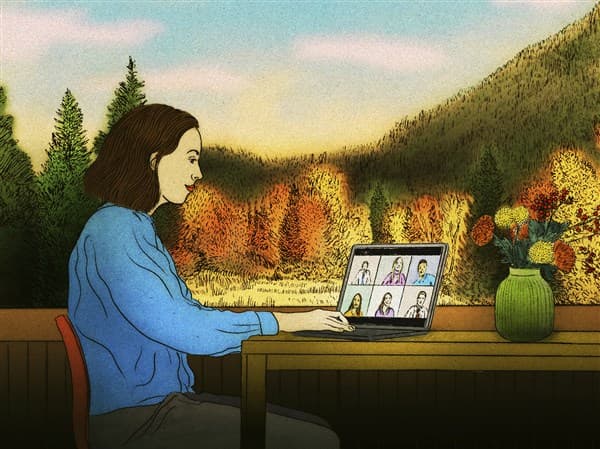
When Kate Smith worked a traditional 9-to-5 office job, she experienced burnout, daily migraines, and a sense of dread about her future. She didn't have to endure it forever. Smith transitioned to a remote, full-time marketing role that allowed her to travel the world, including living in Bali for over a year. "Every day, I was riding my scooter through the rice fields and thinking, 'I love my life, this is amazing,'" she shared. "That feeling never fades. I feel so grateful for the freedom and flexibility."
This shift to remote work accelerated during the COVID-19 pandemic in 2020, as many workers discovered the benefits of avoiding long commutes and gaining more time for family, exercise, and personal interests. However, post-pandemic, competition for remote positions has intensified. According to LinkedIn data from July, only about 9% of U.S. job postings offered remote work, yet these roles attracted 37% of all applications.
Mark Ma, an associate professor at the University of Pittsburgh, notes, "Fully remote is very rare now in the U.S. It is getting much more difficult, and you need to look for smaller or medium-sized firms that may offer more flexibility but less competitive financial packages."
How to Land a Remote Job
Show Your Autonomy
Employers hiring remote workers are primarily concerned with ensuring productivity and reliability. Carla Rover, co-founder of Strategy and Content, emphasizes the importance of demonstrating your work ethic. "I have approached people with a schedule, saying, 'This is how much I create each day,'" she said. Building a strong portfolio that showcases your achievements is key.
Toni Frana, a career expert at FlexJobs, adds, "Time management and independence, being self-motivated, are really critical." On your resume, highlight any previous remote work experience and list communication tools you've used, such as Slack or Microsoft Teams. Dawn Fay from Robert Half International advises, "Call out that you have worked remotely, independently, for X amount of time successfully. You really want to stress that."
Stick with a Role Similar to Your Current Job
Kate Smith recommends transitioning into remote work by finding a job similar to your current role rather than competing for positions that require more experience. "Get your foot in the door and then work your way to your long-term goal," she suggests. Alternatively, try to convert your current job into a remote role.
Courtney Sandifer successfully negotiated with her employer to work remotely after personal health issues in her family prompted a move to Mexico. Although she lost benefits and became a contractor, the flexibility was worth it for her mental health and family well-being. "If you have kids, it's so much easier to be who you want to be with a remote job," she said. "Consider your own mental health; it may not be the most lucrative, but it's valuable."
Where Remote Jobs Are Growing
Geographic location plays a role in remote job availability. Europe and Australia have more opportunities than the U.S., with some regions like Victoria, Australia, proposing legislation for a legal right to work from home two days a week. Additionally, countries like Thailand, Italy, and Brazil offer "digital nomad visas" for extended stays.
In terms of industries, education, administrative roles, and social media positions are among the fastest-growing for full-time remote work in the U.S., while part-time opportunities are strong in nursing, telehealth, and licensed therapy. Smith also highlights potential in marketing, product management, sales, human resources, software development, engineering, customer support, data analysis, and financial services.
Read the Fine Print
PJ Hruschak shares a common frustration: many jobs advertised as remote actually require candidates to live in specific locations or work in the office part-time. "It's definitely frustrating. It almost feels like a waste of time," he said. Always carefully review job descriptions to avoid misunderstandings.
Search Aggressively
Francesca Conti, an investor working remotely from London for a Swiss company, emphasizes that while remote opportunities are scarce, they are worth pursuing. "The opportunities are out there, but they're very few and far between," she noted. She recommends attending industry or alumni events to build in-person connections, as these relationships can be crucial for landing remote roles. "Remote opportunities are very unique in nature, so be even more aggressive in your search and understand it might take more time, but my experience has been highly worth it."
- #remote
- #jobs
- #career
- #tips
- #flexibility
Comments · 0